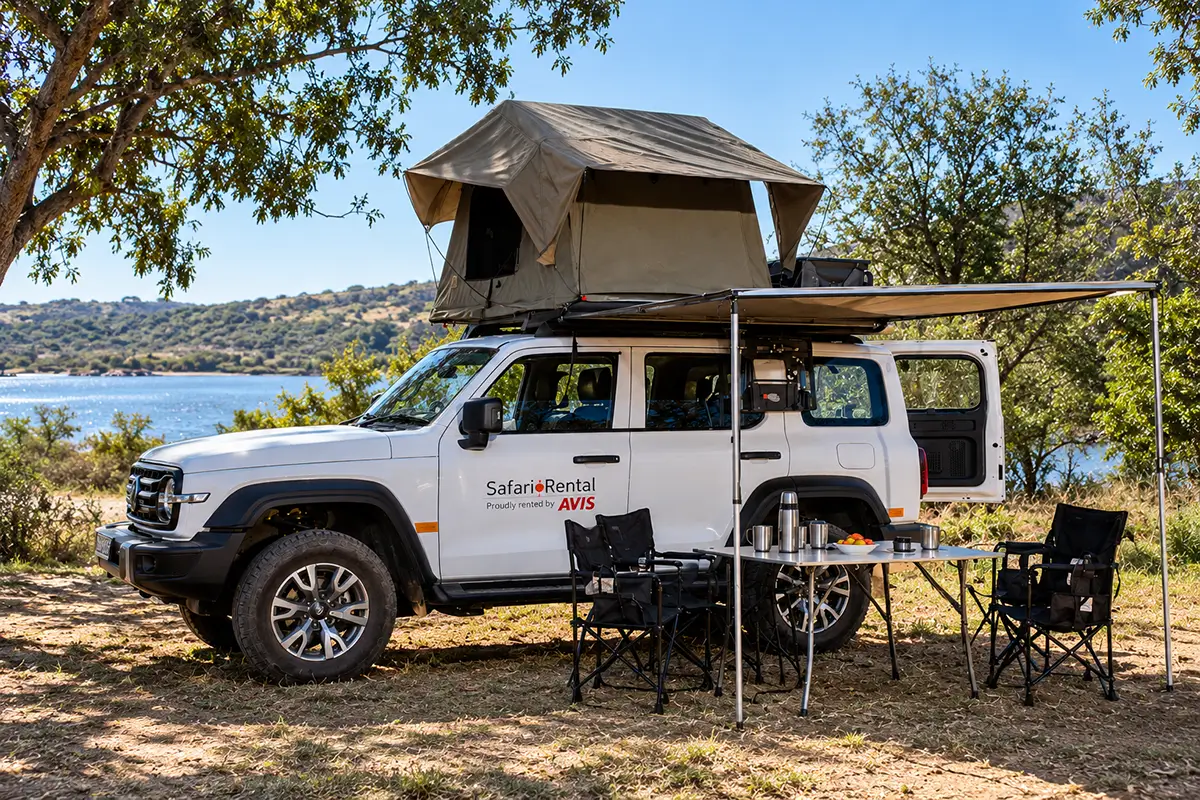
The hour you spend at the depot collecting your 4×4 camper is one of the most valuable of your whole trip. It’s when you learn how everything works, spot anything that isn’t right and record the vehicle’s condition, all while help is a few metres away.
Get it right and you drive off confident. Rush it and you may be working out the rooftop tent in the dark, or explaining an old scratch on your return. Whichever vehicle you choose through 4×4 camper hire, this guide covers what to check before you drive away.
Plan Your Collection Day
A proper 4×4 camper handover takes time, often an hour or more. Don’t squeeze it in between a long-haul flight and a five-hour drive.
- Collect in the morning if you can, so you have daylight for your first drive and first camp.
- Arrive rested. If you’re flying in internationally, consider a night in town first.
- Bring every driver. Anyone who will drive should hear the explanations, not just the person signing.
- Keep the first day short. Plan a campsite within a couple of hours of the depot, so you can set up while there’s still light.
Whether you collect through 4×4 camper hire in Johannesburg or 4×4 camper hire in Cape Town, a large supermarket is never far away for your first stock-up.
Check the Paperwork
Start with the documents, because problems here are the hardest to fix once you’re on the road.
- Rental agreement. Check the dates, return location and the cover option you chose.
- Driver details. Make sure every driver is listed on the agreement.
- Vehicle papers. Confirm the licence disc is valid and the registration papers are in the vehicle.
- Cross-border documents. If you’re heading into Namibia or Botswana, check the letter of authority names every country on your route.
- Emergency contacts. Save the supplier’s breakdown and emergency numbers in every traveller’s phone.
Keep all of this together in a waterproof pouch in the cab.
Do a Thorough Walk-Around
Walk around the vehicle with the staff member and make sure every mark is recorded on the inspection sheet before you sign.
- Bodywork. Look for scratches, dents and scrapes, including the canopy, tent cover and bumpers.
- Windscreen. Check closely for small chips and cracks. Stone chips are common on gravel roads, so knowing what was already there matters.
- Tyres. Check the tread on all four tyres and look for cuts or bulges in the sidewalls.
- Underneath. Glance under the front and rear for obvious damage or leaks.
- Lights. Check headlights, brake lights, indicators and any camp lights.
Take a video. Walk slowly around the vehicle filming every side, then photograph anything noted on the sheet. Your phone’s date stamp is useful evidence if there’s a question on return.
Some types of damage are commonly excluded from standard cover, such as tyres, windscreens and the underbody. Read the supplier’s terms, and see our FAQ on insurance and excess before you choose your cover option.
Check the Spares, Tools and Recovery Gear
On remote roads, a puncture is something you’ll deal with yourself. Before you leave, find and check:
- Spare wheels. Many 4×4 campers carry two. Check how many yours has, that they’re inflated and how they come off the vehicle.
- Jack and wheel spanner. Make sure the jack suits the vehicle’s height and that you know where it goes under the chassis.
- Compressor and tyre gauge. You’ll need these to deflate and re-inflate tyres for sand and gravel.
- Puncture repair kit. Ask whether one is supplied and how to use it.
- Recovery gear. Check for a spade, tow strap and any recovery boards.
Ask the staff to show you a wheel change, or at least where everything is stored. Anything not supplied may need to be added to your 4×4 camping packing list.
Learn the 4×4 System
Every vehicle is slightly different, so ask the staff to show you how 4×4 works on your camper, not just describe it.
| Setting | What it's for | Ask the staff |
|---|---|---|
| 2H (two-wheel drive) | Everyday tar driving | Is this the default setting? |
| 4H (four-wheel drive high) | Gravel, corrugations, light sand | Can I engage it while moving, and up to what speed? |
| 4L (four-wheel drive low) | Deep sand, steep climbs, rocky tracks | Do I need to stop and select neutral first? |
| Diff lock (if fitted) | Very soft sand or uneven ground | When should I use it, and when must I switch it off? |
The controls differ between a Group C Land Cruiser with a manual gearbox and an automatic Group L Ford Ranger, for example. Have each driver engage and disengage 4×4 themselves in the yard before you leave.
Also ask about the fuel system. Some campers have a long-range or second fuel tank, and you’ll want to know how to switch between them.
Check the Fridge, Power, Water and Gas
These systems keep your camp running, and they’re where most small problems show up on the first night.
- Fridge. Check it’s switched on and cooling, and ask what temperature setting to use.
- Second battery. Most 4×4 campers run the fridge from a separate battery. Ask how it charges, how to read the battery monitor and how long it lasts when you’re not driving.
- Water tank. Check it’s full, where the filler is and how the tap or pump works.
- Gas bottle. Make sure it’s full and you know how to connect and light the stove safely.
- Charging points. Find the 12V and USB sockets for phones and cameras.
If the fridge isn’t cold by the time you leave, mention it before you drive off. It’s much easier to sort out at the depot.
Set Up the Tent and Camp Gear Yourself
Watching someone open a rooftop tent is not the same as doing it. Before you leave, put the camp up yourself with the staff watching.
- Open and close the tent completely, including the ladder, poles and any flysheet or rain cover.
- Check the zips and windows open and close properly, and the mosquito mesh has no holes.
- Count the bedding and check it matches what you were promised.
- Open the awning, if fitted, and learn how to secure it in wind.
- Check the kitchen kit. Open every drawer and box, and make sure crockery, cutlery, pots and the kettle are all there for your group.
- Find the chairs and table and see how they’re stored.
Setups vary a lot between vehicles. A compact Suzuki Jimny camper packs very differently from a larger 4 sleeper, so learn where everything lives in yours.
Finally, close it all down again. You’ll be packing up every time you move camp, so knowing the order now saves time later.
Questions to Ask Before You Leave
- What tyre pressures should I use on tar, gravel and sand?
- Which fuel does the vehicle take, and what’s the range on a full tank?
- Are there any roads or areas this vehicle is not allowed on?
- What should I do if I have a breakdown or accident?
- Is the vehicle due for anything during my rental, such as an oil check?
- What condition should it be in on return, and is cleaning included?
- What time must I return the vehicle, and what happens if I’m late?
Write down the answers, or record them on your phone.
Your 4×4 Camper Handover Checklist
Paperwork
- Rental agreement checked, all drivers listed
- Licence disc and vehicle papers in the cab
- Letter of authority for every country on your route
- Emergency numbers saved
Vehicle
- Walk-around done, all damage recorded and filmed
- Windscreen and tyres checked
- Spare wheels, jack, compressor and tyre gauge found
- 4×4 system demonstrated and tried by every driver
- Fuel type and range confirmed
Camp
- Fridge cooling, second battery explained
- Water tank full, gas bottle full
- Tent opened and closed by you
- Bedding and kitchen kit counted
- Chairs, table and awning found
Start Your Trip with Confidence
A careful handover means fewer surprises, no disputes on return and a first night that goes to plan. Take your time, ask every question, and don’t drive off until you’re comfortable.
Still deciding whether a motorhome or a 4×4 camper suits your trip? Browse our 4×4 campers, or contact us with your route and dates and we’ll recommend the right vehicle.